
Highlights:
-
Embrace the lean startup mindset: Forget the traditional brick-and-mortar model initially; focusing on a minimal setup reduces financial risk and forces you to stay adaptable.
-
Validate with a minimum viable product: Use low-cost entry points like pop-up dining, catering, farmers markets, or shared digital kitchens to test your concept and build an audience.
-
Streamline your menu: Limit your offerings to a few high-margin, versatile dishes to reduce food waste, simplify kitchen operations, and ensure consistent quality.
-
Utilize shared or idle spaces: Avoid high rent by partnering with existing businesses, community centers, or restaurants during their off-peak hours to use their licensed kitchens.
-
Seek alternative funding sources: Look past traditional banks and leverage equity partnerships, crowdfunding campaigns, or community microloans to raise launch capital.
-
Harness organic marketing: Build a loyal following for free by documenting your entrepreneurial journey on social media and using grassroots sampling to generate word-of-mouth buzz.
-
Reinvest early profits to scale: Avoid premature expansion by putting every dollar back into the business, allowing your cash flow to naturally fund your long-term growth.
The dream of opening a restaurant is one shared by thousands of passionate foodies, home cooks, and hospitality veterans. You can already see it: the warm glow of the dining room, the buzz of happy customers, and the pride of serving a menu you created. Then, reality hits. You look at the average cost of launching a traditional brick-and-mortar restaurant—often running into hundreds of thousands of dollars—and your bank account currently shows about enough for a decent pair of non-slip shoes.
It is easy to let financial roadblocks kill your culinary dreams before they even start. But here is the secret the restaurant industry does not want you to know: you do not need a million dollars to feed people. Some of the most successful food brands in the world started in tiny apartment kitchens, borrowed spaces, or on the back of a single food truck.
Starting a restaurant with no money requires shifting your mindset. You are not buying a building; you are building a brand. If you have grit, creativity, and a willingness to hustle, you can launch a food business without a massive bank loan. This guide will show you exactly how to do it.
The Myth of the Million-Dollar Launch
Many aspiring restaurateurs believe they need to secure a massive commercial space, buy brand-new kitchen equipment, and hire a full staff before they can serve their first customer. This traditional model is not only incredibly expensive, but it is also highly risky.
When you start with zero capital, you are forced to strip away the fluff and focus purely on what matters: the food and the customer experience. Lean startups are dominating the modern food industry. By minimizing your overhead, you reduce your risk to almost zero. If a menu item fails, you change it. If a location does not work, you move. Lack of money forces you to be adaptable, which is the ultimate superpower in the restaurant world.
Build a Minimum Viable Product First
In the tech world, companies launch a Minimum Viable Product—a bare-bones version of their software—to see if people like it before spending millions building the final product. You need to do the exact same thing with your food business.
Instead of waiting until you can afford a 50-seat dining room, find the absolute cheapest way to get your food into the mouths of paying customers. This validates your concept and proves to future investors that people actually want what you are cooking. Here are the best low-cost entry points for first-time entrepreneurs:
-
Pop-up dining experiences: Partner with a local bar, cafe, or gallery that closes early or does not serve food. Take over their kitchen for one night a week. You get a fully permitted space, and they get a cut of the profits and foot traffic.
-
Catering and private chef gigs: Cook for small dinner parties, corporate lunches, or family gatherings. Use the client’s deposit to buy the ingredients, ensuring you never go out of pocket.
-
Food stalls and farmers markets: Renting a booth at a local weekend market is remarkably cheap. It gives you direct access to hundreds of hungry locals and instant feedback on your menu.
-
The ghost kitchen model: Rent space in a shared, licensed commercial kitchen during off-peak hours. You only cook food for delivery apps like UberEats or DoorDash, completely eliminating the need for a front-of-house space.
Master the Art of the Lean Menu
A massive menu is a financial death sentence for a cash-strapped restaurant. More menu items mean more inventory, higher chances of food waste, and more complicated prep work. When money is tight, your menu needs to be laser-focused.
Focus on High-Margin, Versatile Ingredients
Choose a concept that relies on affordable staple ingredients that can be cross-utilized across multiple dishes. Think about potatoes, rice, flour, and basic proteins. A single batch of dough can become pizzas, flatbreads, or sandwich wraps. By keeping your ingredient list small, you can buy in bulk, negotiate better prices, and ensure that almost nothing goes to waste.
Keep Choices Limited
Limit your initial menu to three to five standout items. Execution is everything. It is infinitely better to be famous for the best three sandwiches in the city than to offer thirty mediocre dishes. A small menu also keeps your service fast and your kitchen organized, even if you are working out of a tiny shared space.
Secure Free or Low-Cost Kitchen Spaces
You cannot legally cook food in your home kitchen and sell it to the public in most jurisdictions. Buying a commercial kitchen is out of the question, so you have to get creative with sourcing a permitted space.
-
Communal and commissary kitchens: These are shared commercial spaces rented by the hour. You share the stoves, walk-ins, and prep tables with other food entrepreneurs, meaning you only pay for the exact time you use.
-
Underutilized commercial spaces: Look for places that have certified kitchens but do not use them all day. Churches, community centers, VFW halls, and schools often have fully equipped kitchens that sit empty for most of the week. Pitch the owners on a monthly rental agreement to bring them extra income.
-
Off-peak restaurant renting: Find a local breakfast spot that closes at 2:00 PM. Ask the owner if you can rent their kitchen from 4:00 PM to midnight to run a delivery-only dinner concept. They get help paying their rent, and you get a professional setup for a fraction of the cost.
Fund Your Dream Without Traditional Bank Loans
If you walk into a traditional bank with no money and ask for a restaurant loan, they will politely show you the door. Restaurants are viewed as high-risk investments. Fortunately, you do not need banks anymore.
Equity Partnerships
You have the talent, the recipes, and the work ethic, but someone else has the cash. Look for a business partner who believes in your vision but does not want to cook. In exchange for their financial backing, you give them a percentage of ownership in the business. Just make sure to get a rock-solid legal agreement in writing before you start.
Crowdfunding Campaigns
Platforms like Kickstarter and Indiegogo are fantastic for food businesses. Instead of asking for thousands of dollars from one person, you ask for twenty dollars from hundreds of people. The key to a successful campaign is offering irresistible rewards. Sell future meal vouchers, exclusive invites to your opening night, or merchandise. This funds your launch and builds an army of loyal customers before your doors even open.
Microloans and Community Grants
Look into small business administrations, local non-profits, and community development organizations. Many of these groups offer microloans specifically designed for minority, women, or first-time business owners. These loans have much lower barriers to entry and softer interest rates than traditional banks.
Leverage Free Marketing to Build a Crowd
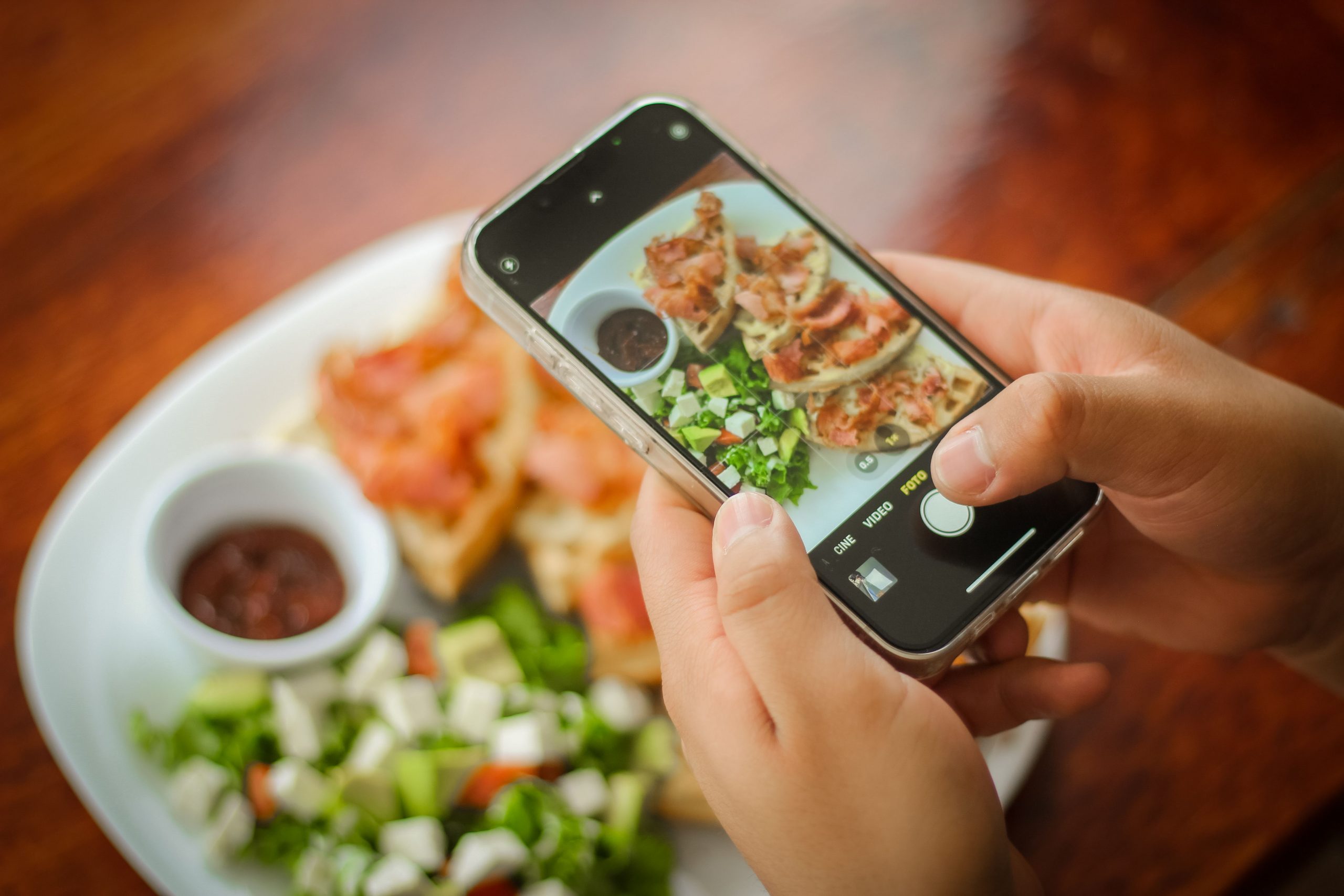
When you have a marketing budget of zero dollars, you cannot pay for billboards, radio spots, or Instagram ads. You have to rely on organic buzz and community building. Thankfully, social media is completely free and incredibly powerful for food businesses.
Document the Entire Journey
People do not just buy food; they buy stories. Start posting on TikTok and Instagram long before you ever serve a plate. Show the messy reality of trying to start a business with no money. Share your recipe testing failures, your triumphs, and your vision. When people feel like they are part of your journey, they become fierce brand advocates.
Rely on Guerrilla Marketing
Get out into your community. Bring free samples of your signature dish to local businesses, hair salons, and offices. Drop off a box of treats at a local radio station or to neighborhood influencers. If your food is spectacular, word-of-mouth marketing will take over, and word of mouth is the most valuable advertising money cannot buy.
Understand the Vital Legal Framework
Even if you are starting on a shoestring budget, you cannot cut corners when it comes to the legalities. Getting shut down by the city or hit with a fine will instantly end your business journey.
Before you sell anything, you need to understand exactly what you need before opening a restaurant to ensure you remain fully compliant. You will need a basic business license, a tax identification number, and a food handler’s permit. You also need to look into liability insurance. While it is a small upfront expense, it protects you from catastrophic financial ruin if a customer gets sick or injured. Take the time to visit your local health department website and read their specific requirements for mobile vendors or temporary food setups.
Scale Smartly from Profits
The biggest mistake broke entrepreneurs make is spending money the second they start earning it. When your pop-up or food stall starts making money, do not run out and look for a commercial lease.
Put every single dollar of profit back into the business. Use your early earnings to buy your own equipment, upgrade your packaging, or invest in better branding. Let your business pay for its own growth. If you scale slowly and organically, you will eventually reach a point where you can walk into a landlord’s office with a proven track record, a massive customer base, and the cash to pay for your own storefront.
The Bottom Line
Starting a restaurant with no money is undoubtedly difficult, but it is far from impossible. By ditching the traditional brick-and-mortar mindset and embracing a lean, creative, and community-focused approach, you can turn your culinary dreams into reality. Focus on creating incredible food, finding underutilized spaces, and building a genuine connection with your audience. Remember that every giant food empire started with a single dish. Start small, hustle hard, and let your passion feed your growth.
