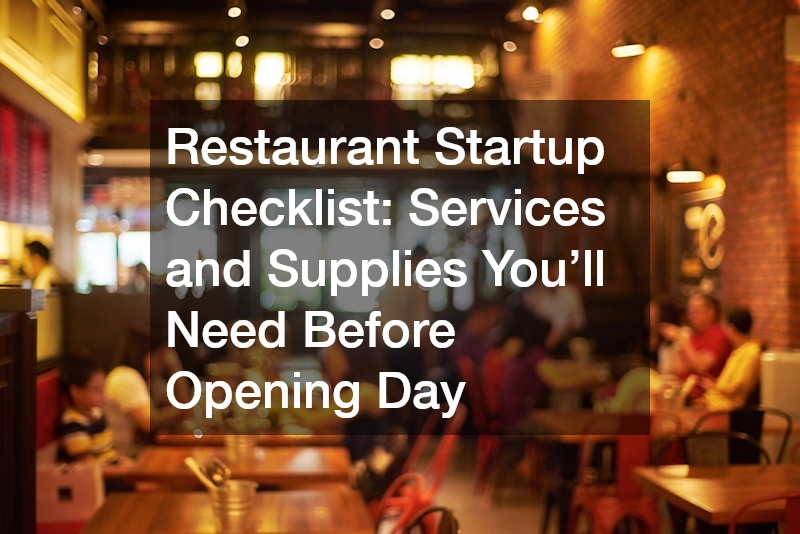
Opening a restaurant is an exciting venture, but it also comes with a long list of decisions and responsibilities. From designing the kitchen to ensuring compliance with health regulations, every detail plays a role in your success. A well-prepared startup plan not only helps you open smoothly but also sets the foundation for long-term efficiency and profitability.
Whether you’re launching a brand-new concept or taking over an existing space, having the right services and supplies in place before opening day is critical. Below is a comprehensive checklist to guide you through the essential components of building and running a successful restaurant.
Evaluating and Renovating Your Space
When taking over a restaurant or opening in a new location, one of the first steps is evaluating the current condition of the space. Even if the layout seems functional, it’s important to determine whether it aligns with your concept, workflow, and branding.
A kitchen remodel is often necessary to improve efficiency, safety, and compliance. Upgrading outdated layouts can streamline food preparation, reduce bottlenecks, and create a better working environment for your staff. This may involve repositioning equipment, expanding prep areas, or improving ventilation systems.
Working with experienced countertop installers is also essential during this phase. Durable, easy-to-clean surfaces are critical in a commercial kitchen, and high-quality countertops can significantly impact both hygiene and longevity. Materials should be chosen with daily wear and tear in mind, ensuring they can withstand heavy use while maintaining a professional appearance.
The dining area should not be overlooked. Updating the layout and design can enhance the customer experience and reflect your brand identity. Whether you’re aiming for a modern aesthetic or a cozy, welcoming atmosphere, investing in a rustic furniture service can help create a distinctive and memorable space. Comfortable seating, well-designed tables, and cohesive décor all contribute to how guests perceive your restaurant.
Ensuring Cleanliness and Food Safety

Cleanliness and food safety are non-negotiable in the restaurant industry. Before opening your doors, it’s crucial to establish systems that maintain a hygienic environment and comply with local regulations. Health inspections, food handling standards, and sanitation requirements are all strict for a reason—any lapse can put customers at risk and jeopardize your business. Starting with strong systems in place ensures that cleanliness becomes part of your daily operations rather than something addressed only when issues arise.
Hiring a reliable bug exterminator is an important first step. Pest control should be proactive, not reactive, as infestations can damage your reputation and lead to serious health violations. Even minor pest issues can quickly escalate if not addressed early, especially in environments where food is stored and prepared. Regular inspections and preventative treatments help ensure your space remains safe and compliant. Establishing an ongoing service schedule rather than a one-time treatment provides continuous protection and peace of mind.
Another key component is water quality. Installing or maintaining proper water treatment systems ensures that the water used in cooking, cleaning, and beverage preparation is clean and free of contaminants. High-quality water not only protects equipment but also enhances the taste of food and drinks, which is essential for customer satisfaction. Poor water quality can affect everything from the flavor of soups and sauces to the clarity of ice and beverages, making it a foundational element of your kitchen operations.
Beyond pest control and water systems, it’s important to maintain strict standards for equipment and surface cleanliness. Grease buildup, improperly cleaned tools, and neglected areas can all become sources of contamination if not addressed regularly. Establishing daily, weekly, and monthly cleaning schedules helps ensure that nothing is overlooked.
In addition to these systems, implementing clear cleaning protocols and staff training ensures that hygiene standards are consistently upheld. Employees should be trained on proper handwashing, food storage, cross-contamination prevention, and sanitation procedures. From sanitizing surfaces to properly labeling and storing ingredients, every detail matters when it comes to maintaining a safe kitchen. When cleanliness becomes part of your culture, it not only protects your customers but also builds trust and credibility for your restaurant.
Maintaining Kitchen Efficiency and Equipment
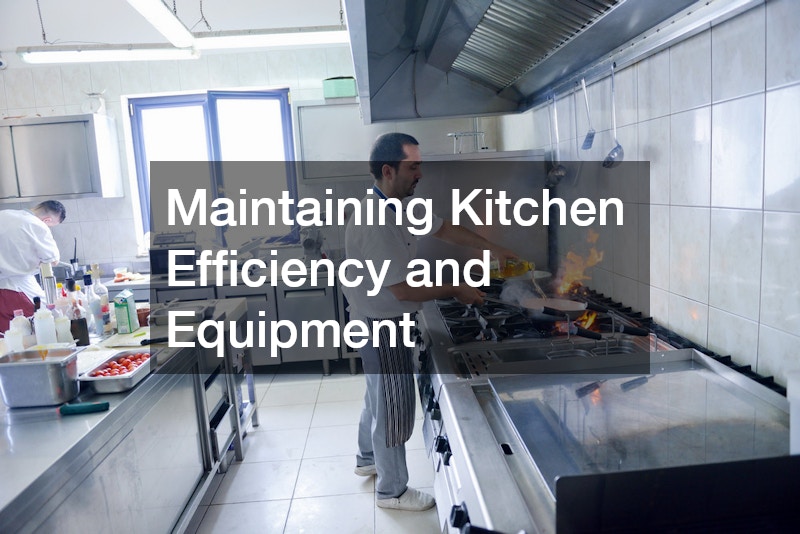
A well-functioning kitchen depends on properly maintained tools and equipment. Even the best chefs can struggle if their tools are not in optimal condition.
Using a professional knife sharpening service is essential for maintaining efficiency and safety in the kitchen. Sharp knives allow for precise cuts, faster prep times, and reduced risk of injury. Dull blades not only slow down operations but can also compromise the quality of your dishes.
Beyond knives, it’s important to regularly inspect and maintain all kitchen equipment. Ovens, refrigerators, and prep stations should be in excellent working condition before opening day. Preventative maintenance can help you avoid costly breakdowns during service hours.
Establishing relationships with service providers early on ensures that you have support when needed. Having reliable professionals on call can make a significant difference in keeping your kitchen running smoothly.
Managing Waste and Sustainability
Proper waste management is another critical aspect of restaurant operations. Handling waste responsibly not only keeps your kitchen clean but also supports environmental sustainability. A well-organized waste system helps prevent odors, reduces the risk of contamination, and creates a safer, more efficient workspace for your staff. It also demonstrates to customers and the community that your business is committed to responsible practices, which can enhance your reputation.
Cooking oil disposal should be handled through a professional service to ensure compliance with local regulations. Improper disposal can lead to plumbing issues, environmental harm, and potential fines. Grease buildup in pipes can cause costly backups and interruptions to your operations, while improper dumping can negatively impact local water systems. By working with a reliable provider, you can safely remove used oil while maintaining a clean and efficient kitchen. Many services also recycle used oil, turning it into renewable energy sources, which adds an extra layer of environmental benefit.
In addition to oil disposal, consider implementing recycling programs and reducing food waste wherever possible. Separating recyclable materials such as cardboard, glass, and plastics can significantly cut down on the amount of waste sent to landfills. Composting food scraps is another effective way to minimize waste while contributing to sustainable practices.
Training staff on proper waste sorting and disposal procedures is equally important. Clear guidelines and labeled bins can make it easier for employees to follow best practices consistently. Regularly reviewing your waste management processes can help identify areas for improvement and ensure compliance with health standards.
Small steps toward sustainability can have a positive impact on both your business and the community. Over time, these efforts can lead to cost savings, improved efficiency, and a stronger brand image, all while contributing to a cleaner and more sustainable environment.
Branding and Staff Presentation

Your staff is a direct reflection of your brand, and their appearance plays a role in how customers perceive your restaurant. From the moment a guest walks in, the way your team presents themselves can influence first impressions, set expectations for service quality, and reinforce your overall concept. A clean, coordinated, and professional look helps establish trust and signals attention to detail.
Partnering with an embroidery service allows you to create professional, branded uniforms that reinforce your identity. Consistent branding across staff attire helps create a polished and cohesive look, which can enhance customer trust and recognition. Adding your logo to shirts, hats, or aprons not only strengthens brand visibility but also creates a sense of unity among employees.
Different roles within the restaurant often require different types of uniforms, and tailoring these to each position can improve both functionality and appearance. Front-of-house staff, such as servers and hosts, typically benefit from clean, approachable attire that aligns with your restaurant’s atmosphere. This might include branded shirts, button-downs, or polos paired with aprons that provide both style and practicality. Aprons are especially useful for servers, offering convenient storage for order pads, pens, and small tools while maintaining a professional look.
Back-of-house staff require more durable and protective clothing suited for the fast-paced kitchen environment. Chefs and cooks often wear chef coats, breathable shirts, and heavy-duty aprons designed to withstand heat, spills, and frequent washing. These uniforms should prioritize safety and comfort while still maintaining a consistent appearance that aligns with your brand.
Uniforms should also be practical and comfortable, allowing employees to perform their duties efficiently. Breathable fabrics, proper fit, and easy-to-clean materials are essential for long shifts and demanding tasks. Investing in quality materials and thoughtful design ensures that your team feels confident and comfortable throughout their shifts. When employees feel good in what they wear, it can positively impact their performance, attitude, and overall contribution to the customer experience.
Setting Up Food and Supply Logistics
Efficient supply chains are essential for maintaining consistent operations. Before opening day, you’ll need to establish reliable sources for ingredients, supplies, and distribution.
Working with a dependable delivery service ensures that your restaurant receives the necessary products on time. From fresh ingredients to essential supplies, timely deliveries are critical for maintaining inventory and avoiding disruptions.
In addition to sourcing supplies, consider how you will serve customers beyond your physical location. Offering meal delivery can significantly expand your reach and increase revenue. With more customers seeking convenience, having a well-organized delivery system in place can give your restaurant a competitive edge.
Setting up these systems early allows you to test processes, train staff, and ensure that everything runs smoothly once you open.
Preparing for Daily Operations
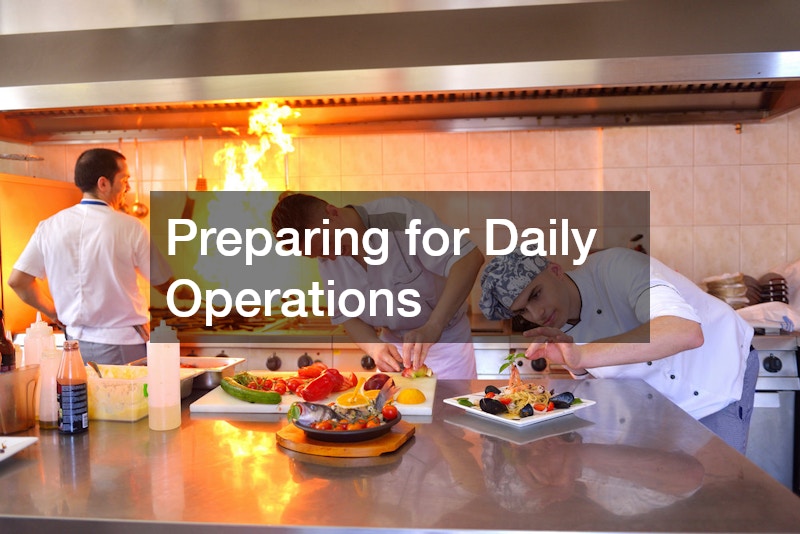
As opening day approaches, it’s important to focus on the details that will impact your day-to-day operations.
Staff training should cover everything from food preparation and safety protocols to customer service and communication. A well-trained team is essential for delivering a consistent and positive dining experience.
Inventory management systems should also be in place to track supplies and reduce waste. Knowing what you have on hand and when to reorder helps prevent shortages and overstocking.
Additionally, creating clear workflows within the kitchen and dining areas ensures that service runs efficiently. From order placement to food delivery, every step should be carefully planned and tested.
Creating a Memorable Customer Experience
While operational efficiency is important, the overall customer experience is what will keep people coming back. A well-run kitchen and smooth service are essential, but what truly sets a restaurant apart is how guests feel during and after their visit. From the moment they walk through the door to the time they leave, every interaction and detail contributes to their perception of your brand. Positive experiences lead to repeat visits, word-of-mouth referrals, and strong online reviews, all of which are critical for long-term success.
The layout and design of your dining area should create a welcoming and comfortable environment. Thoughtful details, such as lighting, music, and seating arrangements, all contribute to the atmosphere. Lighting can influence mood, with softer tones creating a relaxed setting and brighter lighting supporting a more energetic vibe. Music should complement your concept without overpowering conversation, while seating should balance comfort with efficient use of space. Elements like décor, table spacing, and even scent all play a role in shaping how guests experience your restaurant.
Equally important is how your staff interacts with customers. Friendly, attentive service can elevate even a simple meal into a memorable experience. Training your team to be knowledgeable about the menu, responsive to guest needs, and consistent in their approach helps build trust and satisfaction. Small touches, such as greeting guests promptly or checking in at the right moments, can make a lasting impression.
Your menu, service style, and branding should align to create a cohesive experience. Customers should feel that every aspect of your restaurant reflects your concept and values. From the design of your menus to the plating of your dishes, consistency reinforces your identity and helps create a strong, recognizable brand.
Investing in both the front and back of house ensures that your restaurant delivers not only great food but also a memorable experience. When operations and atmosphere work together seamlessly, you create an environment where customers feel comfortable, valued, and excited to return.
Are You Ready to Enter this Competitive Space?
Opening a restaurant requires careful planning, attention to detail, and the right partnerships. By addressing key areas such as renovations, safety, equipment maintenance, branding, and logistics, you can set your business up for success from day one.
From completing a kitchen remodel and working with countertop installers to ensuring proper water treatment and pest control, every step plays a role in creating a safe and efficient environment. Incorporating services like knife sharpening service, cooking oil disposal, and embroidery service further enhances your operations and presentation.
At the same time, establishing reliable systems for delivery service and meal delivery allows you to meet customer demand and grow your business beyond your physical space.
By following this checklist and preparing thoroughly before opening day, you can create a strong foundation for your restaurant—one that supports both your team and your customers for years to come.