Rehabilitating the exterior space of your commercial property is an essential investment that can dramatically improve curb appeal, safety, and long-term functionality. The exterior environment of a commercial building often serves as the first interaction customers, tenants, or business partners have with your organization. A well-maintained exterior not only enhances visual appeal but also communicates professionalism and attention to detail. Property owners who neglect exterior improvements may face declining property value, increased maintenance costs, and potential safety hazards.
Exterior renovations typically involve multiple components that must work together to achieve a cohesive and durable outcome. Projects may include roofing upgrades, commercial paving improvements, fencing installations, lighting enhancements, and sustainability initiatives such as installing a solar panel system. Each of these improvements requires specialized expertise and careful planning to ensure long-term success. By understanding the role each professional service plays, property owners can create an exterior space that is both attractive and operationally efficient.
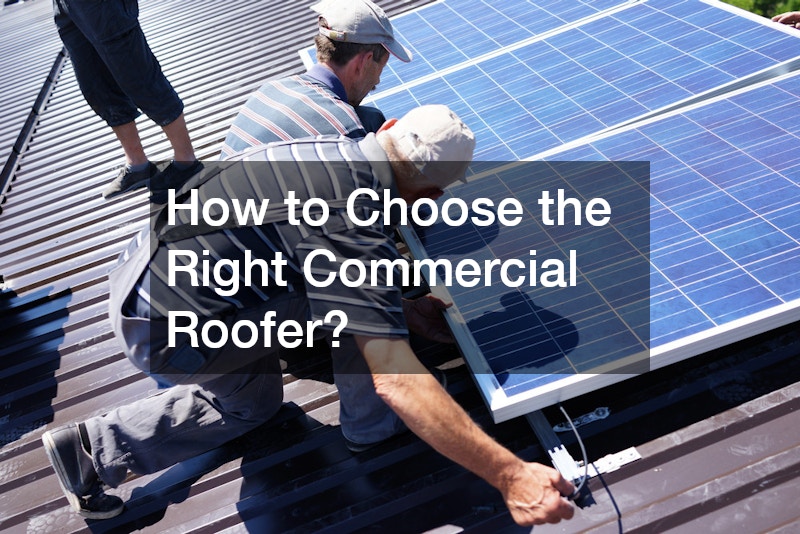
How to Choose the Right Commercial Roofer?
Assessing Roof Material Needs
Selecting the appropriate roofing material is one of the most critical decisions when working with a commercial roofer. Commercial buildings often require roofing systems that can withstand heavy usage, extreme weather conditions, and prolonged exposure to environmental elements. Property owners should evaluate various material options such as thermoplastic membranes, metal roofing systems, or modified bitumen. Each option offers distinct advantages related to durability, energy efficiency, and maintenance requirements.
Working with an experienced commercial roofer allows property owners to assess structural needs and determine the best material solution. The roof plays a major role in protecting interior assets, regulating building temperatures, and preventing water infiltration. A knowledgeable contractor can also identify insulation opportunities that improve overall energy efficiency.
Evaluating a Roofer’s Credentials
Choosing a qualified commercial roofer involves verifying licensing, insurance coverage, and industry certifications. A reputable contractor should demonstrate compliance with local building codes and safety regulations. Reviewing previous project portfolios and speaking with past clients can provide valuable insight into workmanship quality and customer satisfaction.
Experienced roofers typically maintain relationships with manufacturers and remain updated on emerging technologies. These professional connections often allow contractors to provide extended warranties and improved installation techniques that enhance roof longevity.
Comparing Quotes and Warranties
Obtaining multiple proposals allows property owners to compare pricing, material selections, and project timelines. While budget considerations are important, property owners should avoid selecting a commercial roofer solely based on the lowest estimate. Detailed warranties that cover both materials and labor often indicate a contractor’s confidence in their work.
Understanding warranty coverage helps prevent unexpected expenses. Property owners should review maintenance requirements outlined in warranty agreements to ensure coverage remains valid throughout the roof’s lifespan.
Understanding Local Weather Impacts
Climate conditions significantly influence roofing performance. Buildings located in regions with heavy snowfall, intense sun exposure, or frequent storms require specialized roofing solutions. A skilled commercial roofer can recommend materials designed to withstand regional weather challenges and reduce the risk of premature deterioration.
Scheduling Timely Roof Maintenance
Routine inspections and preventative maintenance play a vital role in extending roof life. Scheduled maintenance helps identify small issues before they escalate into costly repairs. Many property owners establish maintenance contracts with a commercial roofer to ensure consistent monitoring and long-term protection.
What Are the Best Practices in Commercial Paving?
Choosing the Right Paving Material
Commercial paving is essential for maintaining safe and accessible parking areas, driveways, and walkways. Property owners must evaluate materials such as asphalt, concrete, or interlocking pavers based on durability, appearance, and maintenance requirements. Each material offers specific advantages depending on traffic levels and environmental exposure.
Commercial paving projects should prioritize drainage solutions to prevent water pooling and surface deterioration. Proper grading and base preparation contribute to long-lasting pavement performance.
Hiring Experienced Paving Contractors
Selecting professionals who specialize in commercial paving ensures proper installation techniques and compliance with local regulations. Experienced contractors understand how to manage heavy equipment, coordinate project timelines, and minimize disruptions to business operations.
Reputable paving specialists also provide valuable insight into design considerations that improve traffic flow and pedestrian safety. Their expertise helps property owners develop paving solutions that align with both functional and aesthetic goals.
Planning for Longevity and Durability
High-traffic commercial areas require paving solutions that can withstand continuous use. Investing in quality materials and professional installation reduces the likelihood of premature cracking or surface failure. Commercial paving projects that incorporate reinforced base layers and proper sealing methods typically deliver superior durability.
Considering Environmental Impact
Sustainability has become an important factor in modern commercial paving projects. Permeable paving materials allow water to filter through surfaces, reducing stormwater runoff and promoting environmental responsibility. Property owners who prioritize eco-friendly paving options may also benefit from local sustainability incentives.
Regular Maintenance and Repairs
Routine maintenance is essential for preserving commercial paving surfaces. Sealcoating, crack filling, and periodic resurfacing help extend pavement lifespan while maintaining a polished appearance. Preventative care minimizes liability risks associated with uneven surfaces or potholes.
What Should You Look For in Fence Companies?

Identifying Permitting Requirements
Fence companies often assist property owners in navigating local permitting regulations. Commercial properties may require specific fence heights, material standards, or zoning compliance. Understanding these requirements before installation prevents costly delays or modifications.
Comparing Different Fence Materials
Fence companies typically offer a variety of material options, including chain link, ornamental metal, wood, and composite fencing. Each material provides distinct advantages related to durability, maintenance, and visual appeal. Property owners should evaluate these factors based on security needs and property design.
Understanding Security Needs
Commercial fencing plays a vital role in protecting assets and controlling property access. Fence companies often conduct site evaluations to determine security vulnerabilities and recommend appropriate fencing solutions. Security-focused fencing may include reinforced materials or integrated access control systems.
Analyzing Cost and Budget
Fence installation costs vary depending on material selection, property size, and design complexity. Fence companies can provide detailed estimates that help property owners balance security priorities with budget considerations.
Ensuring Quality Workmanship
Selecting experienced fence companies ensures proper installation techniques and long-term performance. Professional workmanship prevents structural instability and minimizes maintenance requirements.
How Do Commercial Painters Enhance Property Aesthetics?
Selecting Color Schemes
Commercial painters play a significant role in transforming exterior property aesthetics. Thoughtfully selected color schemes can strengthen brand identity while creating a welcoming environment for customers and tenants. Professional commercial painters often collaborate with property owners to choose colors that complement architectural features and surrounding landscapes.
Preparing Surfaces Properly
Surface preparation is one of the most critical aspects of exterior painting. Commercial painters clean, repair, and prime surfaces before applying paint to ensure proper adhesion. Thorough preparation prevents premature peeling and extends the lifespan of the paint application.
Utilizing Durable Paints
Commercial painters use specialized coatings designed to withstand harsh environmental conditions. Durable paints provide protection against moisture, ultraviolet exposure, and temperature fluctuations. Investing in high-quality coatings reduces maintenance frequency and preserves visual appeal.
Hiring Skilled Painters
Experienced commercial painters possess technical knowledge related to application techniques and safety procedures. Their expertise ensures consistent coverage and professional results that enhance property value.
Incorporating Branding Elements
Exterior painting projects offer opportunities to incorporate branding features such as company colors, logos, or design accents. Commercial painters help property owners create cohesive branding elements that improve visibility and recognition.
When to Invest in Custom Gates?
Understanding Security Requirements
Custom gates provide enhanced property protection while controlling access points. Property owners often install custom gates to manage vehicle entry, restrict unauthorized access, and improve overall security.
Choosing Gate Design and Material
Custom gates are available in a wide range of materials, including steel, aluminum, and composite options. Design selections should balance durability with visual appeal. Property owners can select decorative or minimalist styles that complement the building’s architectural theme.
Enhancing Accessibility Features
Modern custom gates can include accessibility features such as remote entry systems, keypad controls, or card readers. These technologies improve convenience while maintaining security standards.
Integrating Automation Solutions
Automation technology allows custom gates to operate efficiently and reduce manual labor. Automated systems often integrate with surveillance cameras and access control platforms, providing seamless property management.
Evaluating Cost vs. Value
Although custom gates require upfront investment, they offer long-term value through improved security, increased property appeal, and enhanced operational control.
Why is a Waterproofing Contractor Essential?
Identifying Areas Prone to Water Damage
A waterproofing contractor helps property owners identify vulnerable areas where water intrusion may occur. Common problem areas include foundations, roofing transitions, and exterior walls. Early identification prevents structural deterioration and mold growth.
Selecting Appropriate Waterproofing Methods
Waterproofing contractors utilize various methods such as sealants, drainage systems, and protective membranes. Selecting the appropriate waterproofing solution depends on building design and environmental exposure.
Ensuring Long-term Property Protection
Working with a professional waterproofing contractor ensures comprehensive protection against moisture infiltration. Effective waterproofing reduces maintenance costs and preserves structural integrity.
Avoiding Costly Repairs
Preventative waterproofing measures help property owners avoid expensive repairs caused by water damage. Investing in professional services often results in significant long-term savings.
Hiring Experienced Contractors
Selecting a reputable waterproofing contractor ensures proper installation techniques and adherence to industry standards. Experienced professionals understand how to address complex waterproofing challenges.
How Do Commercial Electricians Enhance Operational Efficiency?
Upgrading Electrical Systems
Commercial electricians play a vital role in improving building efficiency and safety. Upgrading outdated electrical systems ensures reliable power distribution and supports modern equipment demands. Commercial electricians also identify potential hazards that may compromise building operations.
Planning for Future Extensions
Commercial electricians assist property owners in planning electrical infrastructure that accommodates future expansion. Proper planning prevents costly rewiring and supports long-term operational growth.
Implementing Energy Efficiency Measures
Energy-efficient electrical upgrades can significantly reduce operational expenses. Commercial electricians install advanced lighting systems, smart controls, and energy management solutions that improve sustainability.
Ensuring Compliance with Regulations
Electrical work must comply with strict safety codes and regulations. Commercial electricians ensure installations meet regulatory standards, protecting property owners from liability risks.
Securing Emergency Power Solutions
Emergency backup systems are essential for maintaining operations during power outages. Commercial electricians install generators and backup power solutions that safeguard business continuity.
What to Consider with Commercial Fencing Services?
Selecting Appropriate Fencing Solutions
Commercial fencing services provide tailored solutions that address security, privacy, and visual design. Property owners can select fencing options that align with operational needs and property layout.
Assessing Installation Timeframes
Project scheduling is an important factor when working with commercial fencing services. Contractors coordinate installation timelines to minimize disruption to daily business activities.
Maintaining Fencing Integrity
Routine maintenance ensures fencing systems remain structurally sound and visually appealing. Commercial fencing services often provide maintenance programs that extend fence lifespan.
Addressing Visual Appeal
Fencing contributes to overall exterior aesthetics. Commercial fencing services help property owners select materials and designs that complement architectural features and landscaping elements.
Balancing Budget with Expectations
Commercial fencing services offer solutions across various price ranges. Property owners can evaluate cost-effective options without compromising durability or security.
Why Should You Work with an Exterior Lighting Company?
Designing Effective Lighting Plans
An exterior lighting company develops customized lighting plans that highlight building features while improving visibility. Strategic lighting enhances safety and supports nighttime operations.
Improving Night-time Visibility and Safety
Exterior lighting improves navigation for employees, customers, and delivery personnel. An experienced exterior lighting company installs fixtures that reduce shadows and enhance security monitoring.
Selecting Energy-efficient Lighting Options
Energy-efficient lighting solutions, such as LED systems, reduce electricity consumption and maintenance costs. An exterior lighting company can recommend lighting technologies that align with sustainability goals.
Coordinating Installation with Other Projects
Lighting installations often coincide with landscaping or structural improvements. An exterior lighting company coordinates project timelines to ensure seamless integration with other exterior renovations.
Synchronizing with Security Systems
Modern lighting systems can integrate with surveillance cameras and motion sensors. An exterior lighting company designs solutions that enhance property security and monitoring capabilities.
How to Integrate Solar Panels into Your Commercial Property?

Assessing Solar Energy Potential
Evaluating solar energy potential involves analyzing roof orientation, sunlight exposure, and energy consumption patterns. Installing a solar panel system can significantly reduce operational energy costs while promoting sustainability.
Choosing the Right Solar Panel System
Property owners must select a solar panel system that aligns with energy demands and structural requirements. Professional solar installers assess building capacity and recommend system configurations that maximize efficiency.
Calculating Return on Investment
A solar panel installation typically involves an upfront investment but offers long-term financial benefits. Property owners should evaluate energy savings, tax incentives, and operational cost reductions when calculating return on investment.
Navigating Installation Logistics
Solar panel installation requires coordination with roofing, electrical, and structural components. Working with experienced contractors ensures seamless integration and compliance with safety regulations.
Leveraging Government Incentives
Many regions offer financial incentives for solar panel installations, including tax credits and rebate programs. These incentives can significantly offset installation costs and encourage renewable energy adoption.
Final Thoughts
Rehabbing the exterior space of a commercial property involves a comprehensive approach that combines aesthetic improvements, structural enhancements, and sustainability initiatives. From hiring a qualified commercial roofer and investing in commercial paving to working with fence companies, commercial painters, and commercial electricians, each improvement contributes to the overall success of exterior renovations. Incorporating custom gates, working with a waterproofing contractor, utilizing commercial fencing services, partnering with an exterior lighting company, and installing a solar panel system further enhance functionality and long-term property value. Thoughtful planning and collaboration with experienced professionals ensure that commercial properties remain safe, attractive, and efficient for years to come.