
Key Takeaways:
- Commercial renovation spending is growing steadily rather than explosively, with 2026 industry data pointing to modest but consistent revenue gains even as material costs remain elevated.
- Rising material costs mean every renovation dollar has to work harder, pushing owners toward targeted, high-impact upgrades instead of broad, unfocused remodels.
- Addressing structural systems and building envelope issues first, before cosmetic or interior work, prevents costly rework and protects the value of later upgrades.
- Sustainability features like efficient HVAC, low-flow fixtures, and upgraded insulation have shifted from optional perks to baseline tenant and leasing expectations.
- Digital design tools, including building information modeling and prefabrication, are helping contractors cut material waste by as much as 15 percent while reducing on-site disruption.
- Flexible, adaptable layouts that support hybrid work and collaboration reduce the need for frequent, disruptive renovations down the road.
- Phased planning, early budget contingencies, and smart scheduling around vacancies or slow periods are essential for controlling costs in a volatile pricing environment.
Owning a commercial property in 2026 means operating in a market that looks nothing like it did five years ago. Tenants expect more, energy codes are tighter, construction costs remain unpredictable, and buildings that were considered modern a decade ago now read as outdated. Renovation is no longer a cosmetic decision reserved for aging assets. It has become a core strategy for protecting property value, retaining tenants, and staying competitive in a leasing environment that rewards adaptability. This article breaks down where the renovation market stands right now, why owners are moving on these projects, and which upgrades are actually worth the investment as buildings are repositioned for the years ahead.
Why Are Property Owners Renovating Right Now?
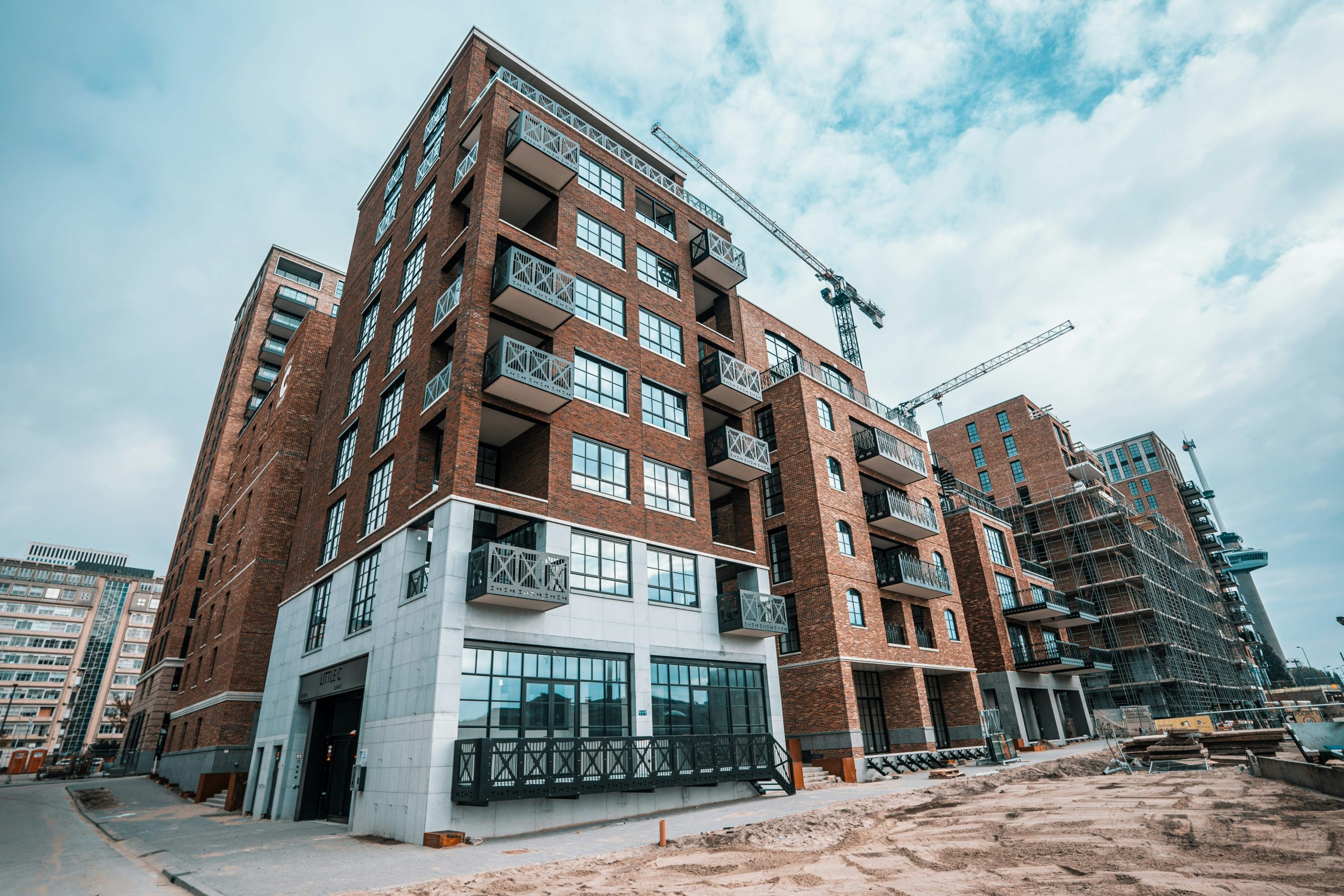
The pressure to renovate is not just about appearances. It is being driven by hard financial data that shows how the commercial remodeling sector is behaving under current market conditions. According to a 2026 industry analysis from IBISWorld, the commercial property remodeling sector in the United States is on track to generate roughly $39.8 billion in revenue this year, reflecting an estimated 1.5 percent increase over the prior year. That growth, however, is happening against a backdrop of steep cost inflation: the same report notes that construction material costs climbed by 40.3 percent between January 2021 and April 2026, squeezing contractor margins and forcing landlords to compete harder for renovation dollars while vacancies remain elevated in many office markets.
This combination matters for anyone planning a renovation. Rising material costs mean every dollar spent needs to work harder, which is why owners are shifting away from broad, unfocused remodels and toward targeted upgrades that address the systems and spaces tenants actually care about. It also explains why office-oriented remodeling work has seen its construction values rise faster than overall demand for space has recovered, since much of that increase reflects the cost of materials and labor rather than a surge in new projects.
How Fast Is the Broader Renovation Market Actually Growing?
A separate 2026 market forecast from Technavio offers a complementary view of where the industry is headed. The report projects that the broader US commercial construction market, which includes both new construction and renovation work, will expand at a compound annual growth rate of 3.1 percent between 2026 and 2030. Notably, the same research highlights that firms adopting digital design and structural engineering tools have achieved as much as a 15 percent reduction in material waste, a meaningful figure given how much cost pressure contractors are already absorbing.
Read together, these two 2026 data points tell a consistent story. Demand for renovation work is expanding steadily rather than explosively, and the owners and contractors who come out ahead will be the ones who use technology and planning discipline to control waste and cost overruns rather than simply spending more. A modest overall growth rate combined with real efficiency gains from digital tools suggests that the winners in this cycle will be defined by execution quality, not just project volume.
What Should Come First: Structural Systems or Curb Appeal?
Before choosing finishes or amenities, most experienced project teams recommend starting with the building’s bones. Systems that are past their expected service life create ongoing risk and cost far more to repair reactively than to replace proactively.
- HVAC, electrical, and plumbing systems typically require major upgrades every 15 to 25 years, and frequent breakdowns are usually a sign that renovation will be more cost-effective than continued repairs.
- Roofing, building envelope, and insulation upgrades reduce energy loss and prevent water damage that can compromise interior work later.
- Structural assessments should happen early, since discovering hidden issues mid-project is one of the most common causes of budget overruns.
- Well-planned commercial property exterior improvements, including facades, entryways, signage, and landscaping, often deliver an outsized return because they shape a visitor’s first impression before they ever step inside.
Once these foundational elements are addressed, interior upgrades and tenant-facing amenities tend to perform better and last longer, since they are not competing with deferred maintenance issues behind the walls.
It is worth noting that sequencing matters as much as scope. Owners who tackle envelope and system upgrades first often find that later interior work goes faster and costs less, because contractors are not forced to work around active leaks, unreliable power, or inconsistent climate control. Skipping this step to move straight into visible upgrades can create a property that looks refreshed on the surface while still carrying the operational risks that prompted the renovation in the first place.
Is Sustainability Still Worth the Investment in 2026?
Green building features have moved from a differentiator to a baseline expectation in many commercial leasing markets. Stricter energy codes, tenant sustainability commitments, and rising utility costs are pushing owners to treat efficiency upgrades as standard practice rather than an optional add-on. Renovation projects that include sustainable features are increasingly common across office, retail, and hospitality assets, and the reasoning is straightforward: efficient buildings cost less to operate, and many corporate tenants now screen properties against environmental criteria before signing a lease.
Common sustainability-focused renovation elements include:
- High-efficiency HVAC systems paired with smart building controls that adjust output based on occupancy
- Low-flow plumbing fixtures that reduce water consumption and utility costs
- Upgraded insulation and window glazing to cut heating and cooling losses
- LED lighting retrofits with daylight and occupancy sensors
- Materials selected for durability and lower embodied carbon, such as engineered wood or recycled content products
While green upgrades typically carry a higher upfront material cost, the payback period for most efficiency measures falls within a few years, and the resale and leasing advantages tend to persist well beyond that window.
How Are Digital Tools Reshaping the Renovation Process?
Technology is changing not just what gets built, but how it gets built. Building information modeling, predictive analytics, and digital twin platforms are giving contractors far more visibility into a project before construction even begins, which reduces the costly surprises that used to be common in renovation work. Firms using these digital tools for structural planning have reported material waste reductions of up to 15 percent, a figure that translates directly into lower costs at a time when material pricing remains volatile.
Prefabrication and offsite manufacturing are also gaining ground for commercial renovation work, particularly for building envelope components. Producing elements like structural insulated panels or framing assemblies offsite allows for tighter quality control and faster on-site installation, which shortens the disruption period for tenants who remain in the building during construction. Virtual reality walkthroughs are increasingly used during the design phase as well, letting property owners and tenants preview a finished space before a single wall comes down.
Advanced framing solutions and structural insulated panels are also improving quality control on renovation sites, since components arrive with tighter tolerances than materials assembled entirely on location. For owners managing occupied buildings during construction, this shift toward offsite production is particularly valuable, as it compresses the number of days that noisy or disruptive work needs to happen on the premises. Contractors who have adopted these workflows report fewer change orders overall, since design conflicts tend to surface during digital modeling rather than after demolition has already begun. For an owner comparing renovation proposals, asking whether a contractor uses building information modeling and prefabrication is becoming as relevant as asking about their references or timeline.
What Does Tenant-Ready Flexibility Actually Look Like?
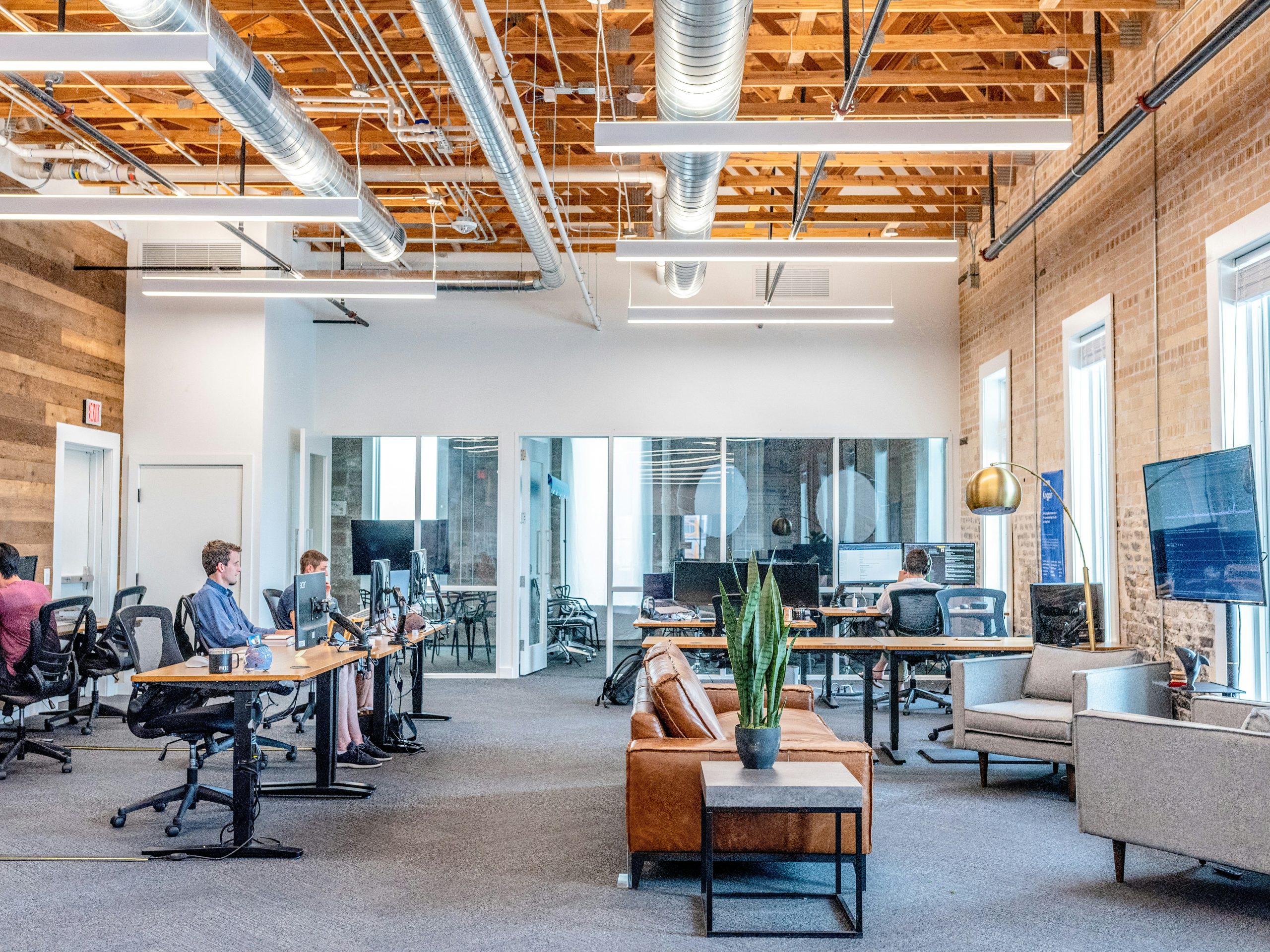
Static, single-purpose layouts are falling out of favor as businesses continue adjusting to hybrid work patterns and changing team structures. Renovation plans in 2026 increasingly favor spaces that can be reconfigured without triggering another full construction project.
- Modular partition systems and movable furniture allow a single floor plate to serve multiple functions over time.
- Collaborative zones, ranging from open worktables to enclosed meeting pods, are replacing rows of fixed private offices in many office renovations.
- Biophilic design elements, including natural light, greenery, and organic materials, are being incorporated to support employee well-being and productivity.
- Integrated technology infrastructure, such as flexible power and data access points, ensures spaces can adapt as equipment and work styles evolve.
This shift toward adaptability is not just about comfort. Buildings designed for flexibility require fewer disruptive renovations down the road, which lowers the total cost of ownership over the life of the asset.
Which Renovation Strategies Deliver the Best Long-Term Value?
With material costs still elevated and financing conditions tighter than they were a few years ago, owners cannot afford to renovate without a clear plan. The most effective, practical commercial renovation strategies tend to share a few common traits: they are phased to manage cash flow, they prioritize systems with the shortest payback periods, and they are scheduled around natural low-impact windows such as tenant turnover or seasonal slow periods.
Owners who get the most value from their renovation budgets typically:
- Commission a professional condition assessment before finalizing scope, so hidden structural or system issues are identified early rather than mid-project
- Phase large renovations into manageable stages, allowing the property to generate income while work continues
- Lock in material pricing and vendor commitments early to reduce exposure to cost volatility
- Prioritize upgrades with measurable operational savings, such as HVAC and lighting retrofits, before investing in purely aesthetic changes
- Schedule disruptive work during vacancy periods or planned tenant transitions to minimize revenue loss
Treating renovation as an ongoing capital strategy rather than a one-time event helps owners avoid the trap of deferring maintenance until it becomes an emergency, which is almost always the most expensive way to address building deficiencies.
How Should Owners Approach Budgeting and Scheduling?
Given the cost volatility documented across recent industry reports, budgeting discipline has become as important as design decisions. Owners should build contingency reserves into every renovation budget, since steel, glass, and insulation pricing can still shift significantly within a single project timeline. Working with contractors who maintain established vendor relationships can help stabilize pricing even when national material costs fluctuate.
Timing also plays a significant role in project success. Retail centers, healthcare facilities, and office buildings each have predictable slower periods, and scheduling major work during these windows reduces the operational and financial impact on the business. For multi-tenant properties, coordinating renovation phases around lease turnover dates allows owners to modernize units before new tenants move in, avoiding the cost and disruption of renovating around an active occupant.
Regular budget reviews throughout the project, rather than a single estimate at the outset, give owners the flexibility to adjust scope if pricing or timelines shift. This approach protects the overall return on investment even when external conditions change mid-project.
Financing conditions add another layer to consider. With interest rates and lending standards remaining cautious in many markets, owners are increasingly evaluating renovation projects the way they would evaluate any other capital investment, weighing projected operational savings and leasing gains against the cost of capital before breaking ground. This has made phased renovation approaches more attractive, since smaller, sequential projects can often be financed or self-funded more easily than a single large-scale overhaul. Owners who maintain open communication with their lender and contractor throughout the process are typically better positioned to adjust financing arrangements if a project’s scope or timeline needs to change partway through construction.
Planning for What Comes Next
The data from 2026 makes one thing clear: commercial renovation is growing steadily, but the margin for waste and inefficiency has narrowed considerably. Owners who treat renovation as a strategic, ongoing process, rather than a reactive response to aging systems, are best positioned to protect their property’s value and appeal in a competitive leasing market. Whether the priority is structural repair, sustainability, tenant experience, or all three, the properties that adapt now will be the ones best equipped to meet the expectations of tenants and buyers in the years ahead.
