
The skyline of any major city is a constantly evolving tapestry of architectural ambition. For owners and property managers of aging highrise buildings, this evolution presents a stark challenge: how do you compete with gleaming, newly constructed developments that boast state-of-the-art amenities and peak energy efficiency? The answer lies in strategic, comprehensive modernization. Renovating a highrise is not merely about applying a fresh coat of paint; it is an intricate dance of balancing breathtaking aesthetics with uncompromising structural integrity and modern building code compliance.
Aging highrises face fierce competition. To maintain high occupancy rates, justify premium lease terms, and ensure maximum property valuation, a building must offer an experience that aligns with contemporary expectations. Furthermore, stringent environmental regulations in many municipalities now mandate strict energy efficiency benchmarks, turning exterior and infrastructure upgrades from optional enhancements into legal necessities.
The dual challenge is immense. You must transform the building to be visually striking from the street level while simultaneously ensuring that the hidden core infrastructure is safe, resilient, and capable of lasting another fifty years. Navigating this process requires meticulous planning, a deep understanding of material science, and a phased approach to execution.
This comprehensive guide will walk you through the entire lifecycle of a highrise modernization project. We will explore pre-construction strategies, exterior envelope upgrades, rooftop optimizations, ground-level hardscaping improvements, and the critical overhaul of internal systems. By the end of this guide, you will have a clear, actionable roadmap to navigate the complexities of highrise renovation, ensuring your property remains a competitive, safe, and lucrative asset for decades to come.
Pre-Construction, Budgeting, and Team Assembly
The success of a multimillion-dollar highrise renovation is determined long before the first piece of scaffolding is erected. The pre-construction phase is where risks are mitigated, budgets are solidified, and logistical nightmares are prevented. Rushing this phase is the single most common cause of cost overruns and timeline delays.
Conduct a Comprehensive Life-Cycle Cost Analysis
Budgeting for a highrise renovation requires looking far beyond the initial price tag of materials and labor. Property owners must adopt a Life-Cycle Cost Analysis (LCCA) approach. This method evaluates the total cost of ownership over a specific period, factoring in the initial capital outlay, ongoing maintenance, energy consumption, and eventual replacement costs.
-
Material Durability vs. Upfront Cost: A premium facade cladding might cost thirty percent more upfront but could require zero maintenance for forty years, whereas a cheaper alternative might need chemical cleaning and resealing every decade. LCCA makes the financially sound choice obvious.
-
Energy Savings Integration: Factoring in the reduction of HVAC loads when installing new thermal windows is crucial. The energy savings over twenty years often offset the cost of the window replacements entirely.
-
Early Expert Involvement: During this auditing phase, it is vital to engage general contractors to provide realistic, real-world estimates on labor, material sourcing, and logistical constraints. Their on-the-ground experience ensures your budget reflects current market conditions, not just theoretical projections.
Phase Your Timelines to Minimize Tenant Disruption
A highrise cannot simply be shut down during a year-long renovation. Residents still need to live, or commercial tenants still need to conduct business. The logistical puzzle of phasing construction is complex but essential for tenant retention and avoiding lease breakages.
-
Vertical Phasing: This approach involves completing renovations line by line, from the ground floor to the roof, often tackling one specific stack of units or one side of the building’s exterior at a time. This isolates noise and debris to specific zones.
-
Horizontal Phasing: This method focuses on completing one entire floor at a time. It is highly effective for interior corridor upgrades or complete floor-plate commercial renovations.
-
Communication is Key: Establish a dedicated tenant communication portal. Provide weekly updates, clear schedules of noisy work (like concrete drilling), and alternative access routes.
-
Specialized Evaluation: If your building features historical architectural elements or is suffering from severe environmental wear, consulting a specialized restoration contractor early in the phasing process is crucial. They can map out how to conduct delicate structural testing and material preservation without halting the momentum of the broader, modernizing phases of the project.
Facade, Envelope, and Structural Rehabilitation
The building envelope is the first line of defense against the elements and the primary contributor to a highrise’s curb appeal. Over decades, wind, rain, UV radiation, and temperature fluctuations degrade these external systems, leading to severe internal damage if left unaddressed.
Address Spalling Concrete and Sealant Failures Immediately
Concrete highrises are particularly susceptible to a phenomenon known as spalling. This occurs when moisture penetrates micro-cracks in the concrete and reaches the internal steel rebar. As the rebar rusts, it expands up to seven times its original volume, blowing off chunks of the exterior concrete.
-
The Danger of Freeze-Thaw: In colder climates, water trapped in facade cracks will freeze and expand, rapidly accelerating structural deterioration.
-
Perimeter Caulking: The sealants around windows and expansion joints have a finite lifespan, usually between ten to fifteen years. When these fail, wind-driven rain easily breaches the envelope, causing hidden mold and drywall damage inside tenant units.
-
Expert Remediation: Addressing these issues requires skilled professionals. You must coordinate with experienced masonry contractors who understand how to properly tuckpoint deteriorating brickwork and patch concrete. They will ensure that the new mortar and patching compounds perfectly match the compressive strength, porosity, and thermal expansion rate of the original building materials, preventing the new repairs from popping out during the next temperature shift.
Upgrade to Energy-Efficient Cladding and Window Systems
Modernizing the facade is not just about patching holes; it is an opportunity to drastically improve the building’s thermal performance and visual identity. Outdated single-pane windows and uninsulated concrete walls bleed energy, resulting in astronomical heating and cooling costs.
-
Rainscreen Systems: Installing an exterior rainscreen involves attaching a new cladding material (like metal panels or terracotta) slightly offset from the building’s structural wall. This creates a ventilated cavity that allows moisture to drain away harmlessly while drastically improving insulation.
-
EIFS (Exterior Insulation and Finish Systems): This multi-layered exterior wall system provides superior energy efficiency and allows for vast architectural flexibility in terms of color and texture.
-
High-Performance Glazing: Upgrading to double-glazed, argon-filled windows with low-emissivity (low-E) coatings prevents solar heat gain in the summer and retains internal heat in the winter.
-
Seamless Transitions: When upgrading the envelope, the detailing at the top of the building is notoriously difficult. It is imperative that your facade teams communicate closely with your roofing contractors to ensure that the transition where the new exterior cladding meets the building’s upper parapet walls is perfectly flashed, counter-flashed, and completely watertight.
Roof Replacement and Amenity Decks
The roof of a highrise is a highly utilized, often overlooked asset. It is exposed to the most extreme weather conditions of any part of the building. Upgrading this space presents a unique opportunity to enhance both the building’s operational efficiency and its lifestyle offerings.
Choose High-Albedo Materials to Reduce Urban Heat Island Effects
Traditional dark, built-up tar roofs absorb massive amounts of solar radiation, baking the top floors of the highrise and contributing to the urban heat island effect in densely populated cities. Modern roofing science offers vastly superior alternatives.
-
Reflective Membranes: Upgrading to single-ply membranes like TPO (Thermoplastic Polyolefin) or PVC (Polyvinyl Chloride) in bright white offers incredible solar reflectance (high albedo). This bounces UV rays back into the atmosphere.
-
Cooling Cost Reduction: By utilizing reflective materials, the ambient temperature of the roof surface can drop by up to fifty degrees Fahrenheit during the summer, drastically reducing the HVAC burden for top-floor tenants.
-
Extreme Elevation Challenges: Highrise roofs experience severe wind uplift forces that do not affect low-rise buildings. Because of this, property owners must thoroughly vet roof contractors specifically for their expertise in high-wind load calculations, ensuring that the fastening patterns and membrane adhesion techniques are engineered for extreme elevations.
Transform Unused Space into Profitable Social Lounges
In today’s competitive real estate market, a barren, gravel-covered roof is wasted space. Transforming the rooftop into a luxury amenity deck is one of the highest-ROI upgrades a building owner can perform.
-
Designing for Community: Modern tenants look for community spaces. Incorporating fire pits, outdoor kitchens with built-in grills, pergola-shaded seating areas, and even outdoor coworking spaces can significantly boost the building’s appeal and justify rent increases.
-
Green Roofs: Installing extensive green roofs (drought-resistant sedum and grasses) not only creates a beautiful park-like atmosphere but also helps manage stormwater runoff and protects the underlying waterproofing from UV degradation.
-
Structural Logistics: You cannot simply put furniture and plants on a standard flat roof. You must hire specialized deck contractors to install floating pedestal paver systems. These adjustable pedestals create a perfectly level walking surface using heavy porcelain or concrete pavers, safely distributing the weight while protecting the delicate waterproofing membrane below and allowing rainwater to drain freely underneath.
Ground-Level Hardscaping and Perimeter Security
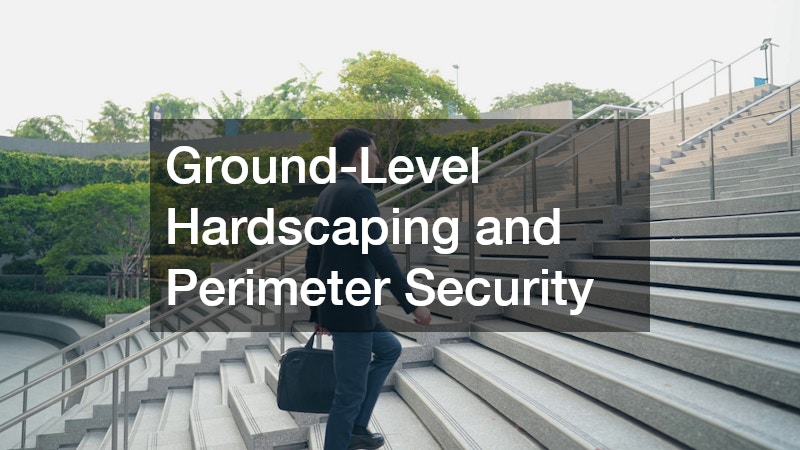
The ground level is where the building interacts with the city. It dictates the critical first impression for leasing agents, prospective tenants, and daily visitors. A beautiful lobby is useless if the approach to the building is chaotic, crumbling, or perceived as unsafe.
Optimize Traffic Flow with Durable Porte-Cochère Surfaces
The way people and goods arrive at buildings has fundamentally changed over the last decade. Highrises must now accommodate a constant, heavy stream of rideshare drop-offs, food delivery couriers, and massive e-commerce delivery trucks.
-
Redesigning the Approach: The turnaround radiuses of traditional driveways are often insufficient for modern delivery box trucks. Redesigning drop-off zones and delivery bays to separate passenger vehicles from commercial trucks prevents dangerous bottlenecks.
-
Subsurface Preparation: The visual surface is only as good as the sub-base beneath it. Failing to properly grade and compact the soil before laying the surface will result in immediate rutting and pothole formation.
-
Heavy-Duty Materials: Standard residential asphalt will not survive a commercial highrise environment. It is critical to utilize commercial paving contractors capable of engineering and pouring heavy-duty, steel-reinforced concrete or specialized stamped asphalt designed specifically to withstand the extreme, concentrated weight and constant friction of daily commercial traffic.
Implement Perimeter Controls Without Sacrificing Curb Appeal
Security is a top priority for highrise tenants, but no one wants to live or work in a building that looks like a maximum-security prison. The goal of modern hardscaping is to blend access control seamlessly into the architectural design.
-
Environmental Design: Utilizing CPTED (Crime Prevention Through Environmental Design) principles involves using natural landscaping, strategic elevation changes, and sophisticated lighting schemas to direct foot traffic and deter unauthorized access organically.
-
Hidden Defenses: Crash-rated bollards can be designed to look like decorative planters or modern art sculptures, providing anti-ram protection for the lobby glass without looking aggressive.
-
Elegant Access Control: The perimeter line must be secure but inviting. Property managers should collaborate with custom fencing contractors to design and install automated access-control gates and decorative metalwork borders that echo the architectural motifs of the newly renovated facade, ensuring security enhances rather than detracts from the property’s aesthetic.
Internal Core and Infrastructure Upgrades
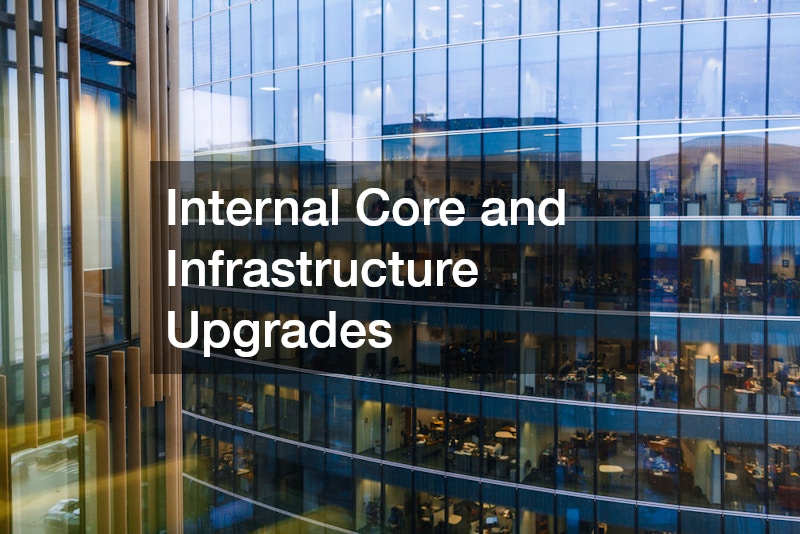
While a beautiful exterior draws people in, the internal core and infrastructure keep them there. Aging interior systems are ticking time bombs of liability. Upgrading these hidden elements is non-negotiable for the long-term viability of the asset.
Modernize Common Areas to Command Premium Lease Rates
The journey from the street to the tenant’s door must feel cohesive and luxurious. Outdated lobbies with brass fixtures and dark wood paneling, or dimly lit corridors with worn carpeting, immediately date a building and lower its perceived value.
-
The Lobby Experience: The lobby should function as a secondary living room or informal meeting space. Incorporating smart concierge lockers, comfortable seating areas, and modern, high-output LED lighting schemas transforms dead space into an active amenity.
-
Corridor Resilience: Corridors see relentless foot traffic and rolling carts. Upgrading from commercial carpet to luxury vinyl tile (LVT) provides the elegant look of hardwood or stone but offers massive durability and easy, plank-by-plank replacement if damaged. Furthermore, installing modern acoustic paneling mitigates the echo common in hard-surfaced hallways.
-
Logistical Mastery: Renovating common areas in an occupied building is an exercise in extreme logistics. Utilizing a dedicated highrise interior contractor is vital. They have the specialized expertise to ensure that massive material deliveries and daily demolition waste removal are staged efficiently, coordinating tightly with building management to use freight elevators strictly during off-peak hours to avoid frustrating the residents.
Retrofit Aging Pipe Systems to Prevent Catastrophic Leaks
Perhaps the most terrifying prospect for a highrise owner is a catastrophic plumbing failure on an upper floor. Water travels down, and a single burst pipe on the thirtieth floor can destroy millions of dollars of property across the twenty-nine floors below it.
-
The Hidden Decay: Buildings constructed prior to the 1990s often rely on cast iron or galvanized steel waste and supply lines. Over decades, these pipes scale internally, reducing water pressure, and corrode externally, leading to pinhole leaks or total structural failure of the pipe wall.
-
Trenchless Technology: Tearing open walls in every unit to replace pipes is incredibly disruptive. Whenever possible, buildings should explore Cured-In-Place Pipe (CIPP) lining. This involves inflating an epoxy-saturated liner inside the existing failing pipe, which cures to form a brand-new, structurally sound pipe within the old one, requiring minimal drywall demolition.
-
Smart Infrastructure: When overhauling the mechanical rooms, owners must bring in expert plumbing contractors to install modern infrastructure. This includes upgrading to variable frequency drive (VFD) water-pressure booster pumps for energy efficiency, and critically, installing smart leak-detection systems integrated with motorized shut-off valves that can automatically isolate and shut down water zones the moment an anomalous pressure drop is detected.
Conclusion
The modernization of a highrise is a monumental undertaking, but it is an investment that pays dividends in asset preservation, tenant satisfaction, and long-term market dominance. A holistic approach is the only viable path forward. Tackling a beautiful lobby while ignoring the crumbling masonry above it, or installing a luxury amenity deck over a failing waterproofing membrane, is a recipe for financial disaster.
Successful upgrades require a delicate, constant balance between achieving breathtaking architectural design and adhering to stringent safety, structural, and environmental standards. The exterior envelope must be as robust as it is beautiful, and the hidden infrastructure must be modernized to handle the demands of the next half-century.
For property owners and developers looking to reposition their assets, the very first step should always be a comprehensive, top-to-bottom building envelope and infrastructure audit. Build your master modernization plan based on hard data before committing a single dollar to isolated, disjointed repairs. By systematically addressing the core, the exterior, and the amenities with a team of seasoned experts, you can transform an aging tower into a premier, highly sought-after destination in your city’s skyline.
